How to stop no-shows from ruining your weekly football match
A full sign-up list does not guarantee a full pitch. Use clear commitments, a confirmation deadline and a waitlist to handle drop-outs without spending Friday chasing replacements.
Author
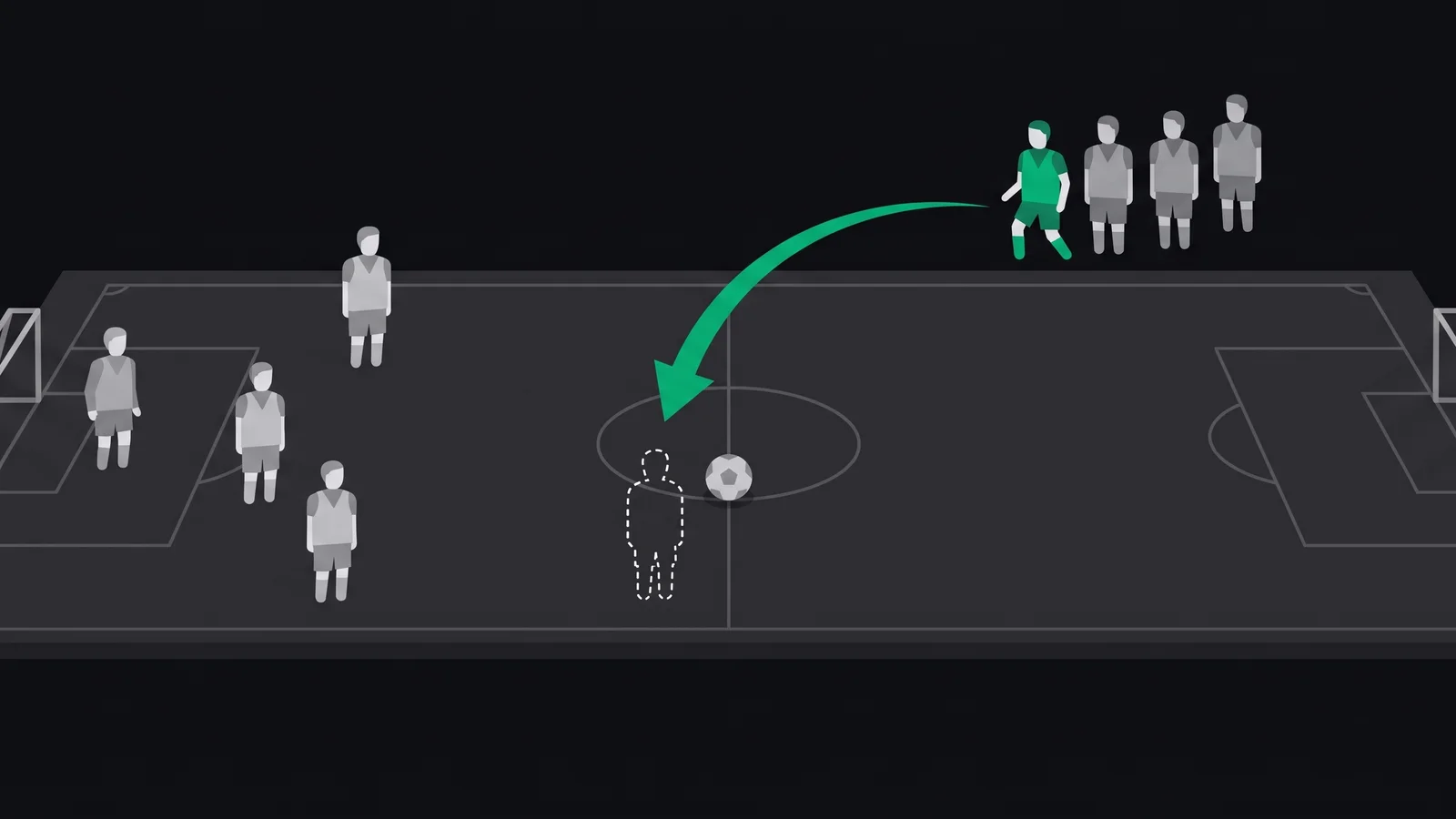
Keep your weekly football match full with clear sign-ups, a confirmation deadline and a replacement plan people understand.
I organise a Friday indoor football group. The football is the reason we meet, but collecting replies and working out who is actually coming can take over the evening before it. A chat message is easy to send and surprisingly hard to count.
Picture the familiar version of that problem. You have ten names on Thursday. One person has said they will try, another has reacted to the message, and someone else signed up before checking their shift. On Friday, the list still looks full until you ask who is leaving home. Now you need a replacement who has boots, transport and nothing else planned.
You cannot prevent illness or a work emergency. You can stop treating every friendly reply as a booked place.
A full squad needs explicit commitments and a way to replace them, not more messages.
Commit → Confirm → Replace
1. Treat “I’ll try to come” as a no for now
Commit means that a player has checked the time and can take a place. An expression of interest is useful, but it is not something you can build two teams around.
Separate the social conversation from the sign-up list. Someone can be keen to play without being available this week. Giving them permission to say no is better than pushing them into a yes they cannot honour.
Use this wording as a sample message, not a record of an actual conversation:
Friday, 19:00 to 20:00, ten places. Please join the match only if you can make that slot. If you are still checking work or childcare, leave your place open for now and sign up when you know.
Put the location, arrival time and expected cost beside the link. Otherwise players are committing to different versions of the evening. Your weekly match plan should settle those details before invitations go out.
Avoid private reservations that only you know about. If a friend asks you to add them, update the same list everyone else uses.
Count a clear yes, not enthusiasm, towards the squad.
2. Use capacity and a waitlist instead of an open list
Commit also needs a limit. Ten places for five-a-side means ten confirmed players, unless you have explicitly agreed to substitutes and their playing time.
An unlimited list creates a different problem. Twelve people may travel expecting a full game, while nobody knows who is sitting out. A waitlist distinguishes a place in the match from willingness to fill one later.
Here is an illustrative squad snapshot:
| Status | Number | What the player should expect |
|---|---|---|
| Confirmed | 10 | A place in the match |
| Waiting | 2 | A place only if a vacancy opens |
| Interested but unavailable | 3 | No place reserved this week |
Explain the queue before it matters. Waiting players should withdraw if their plans change; a stale waitlist is not a replacement plan. Ask them to check their status before travelling rather than assuming that somebody will cancel.
For this part of the workflow, SpinMyTeam match sign-ups let you set capacity and use a waitlist, with automatic promotion when a confirmed player drops out and auto-promotion is on.
The table is a planning example, not a promise that two reserves will cover every cancellation.
A waitlist should contain available replacements, not spare names.
3. Set a confirmation deadline 24 hours before kick-off
Confirm means checking that the commitment still holds while there is time to act. For a Friday 19:00 match, a Thursday 19:00 deadline gives everyone a concrete reference.
Treat 24 hours as a starting rule for your group, not a scientifically established optimum. Players who travel further may need more notice. A group with changing shifts may need a different arrangement agreed in advance.
Here is a manual checklist for the organiser:
- Send one group reminder before the deadline with the match link
- Ask players whose plans changed to withdraw from the match itself
- Contact anyone whose availability is genuinely unclear
- Review vacancies and the waitlist after the deadline
Do not require a second yes from every reliable player unless your group needs it. The point is to surface changes, not to create another list that contradicts the first one. Decide whether silence preserves a confirmed place and state that rule clearly.
This deadline is a group agreement. Do not assume that an app automatically removes people who fail to reply or enforces your cancellation policy.
Use the deadline to uncover changes while replacements can still plan.
4. Replace the player in the list before fixing the teams
Replace starts when the confirmed place is released. A message saying someone cannot come does not help the queue if the player still occupies the slot.
Ask the player to withdraw, or update the list yourself if necessary. Then check the resulting squad before promising the place to anyone else.
| Step | Manual group chat | Automatic waitlist promotion |
|---|---|---|
| Player drops out | Organiser edits a message or list | Confirmed place must be released in the match |
| Vacancy appears | Organiser asks the waiting players | Next waiting player moves into the available place |
| Replacement is checked | Organiser reconciles replies | Organiser checks the updated list and any uncertainty |
| Teams need adjusting | Organiser redraws from the current list | Organiser still checks the new squad before the draw |
Automatic promotion handles the queue, not somebody’s journey to the pitch. Close to kick-off, contact the promoted player directly if you need to know whether they can arrive. They may no longer be looking at their phone.
If nobody is waiting, ask for one replacement with the exact time, location and cost. Avoid asking several friends privately and confirming all of them. Stop recruiting as soon as the place is filled.
Release the vacancy, check the replacement, then redraw the teams.
5. Keep the group rules short enough to remember
Commit, Confirm and Replace work only when everyone knows what those steps mean. A long disciplinary document is unlikely to help a group of friends heading to an indoor pitch after work.
Start with three rules you can paste beside each invitation:
- Join only when you can play, and keep your status up to date
- Report changes by the agreed deadline whenever possible, and withdraw immediately if you cannot come
- After the deadline, follow the agreed cost rule if your place stays empty
Agree the money rule before the first cancellation. You might charge a late withdrawal only when no replacement takes the place, with exceptions for emergencies. That is a choice for your group, not a universal rule or legal advice.
Work through the numbers in the pitch cost guide before collecting money. A replacement and a missing player should not accidentally pay the same share twice.
Publish exceptions as principles without demanding personal details. An illness does not require a public explanation. Apply the same process to your closest friend and the newest player, or the rule becomes a negotiation every week.
Agree the consequence before you need to apply it.
6. Track reliability privately without changing skill ratings
Confirm gets easier when you can tell a one-off problem from a repeated pattern. Keep a small private organiser’s note if you need one, rather than posting a public reliability league table.
Record facts you can explain. The following is an example of a useful note format:
| Record | Useful detail |
|---|---|
| Match | Which session the note concerns |
| Change | Timely withdrawal, late withdrawal or no-show |
| Notice | Whether the organiser heard before kick-off |
| Outcome | Replacement found or place left empty |
Keep only what you need and correct mistakes. Do not record medical details or guess why someone cancelled. A player who withdraws early has helped you replace them; that is different from simply not arriving.
SpinMyTeam has player ratings for balancing football teams. Do not lower a football rating to punish a no-show, because that distorts the next draw. These private reliability notes are a suggested manual practice, not a claimed attendance-tracking feature.
If the pattern repeats, talk privately about whether the weekly slot still works. Joining only when certain may be a better fit than reserving a regular place.
Keep attendance conversations separate from football ability.
Fewer no-shows, full pitch
Use Commit → Confirm → Replace to give football no-shows less room to disrupt the evening:
- Do first: publish one sign-up list, its capacity and the confirmation deadline
- Skip: counting vague replies or shaming players in the group chat
- Measure: how many places remain empty at kick-off and whether cancellations arrive early enough to replace
Which causes more trouble in your group, uncertain replies or cancellations after everyone has left home?
Read next
How to split players into fair teams for 5-a-side
Use one rating scale, account for goalkeepers and try a worked snake draft to split ten players into fair five-a-side teams.

How to split pitch costs without chasing anyone for money
Agree who pays before kick-off, divide the bill without hidden shortfalls and keep a clear record of every player’s share.
How to organise a football match your friends actually show up to
A practical routine for your weekly football match, from choosing the headcount and filling places to fair teams and settling the pitch bill.